
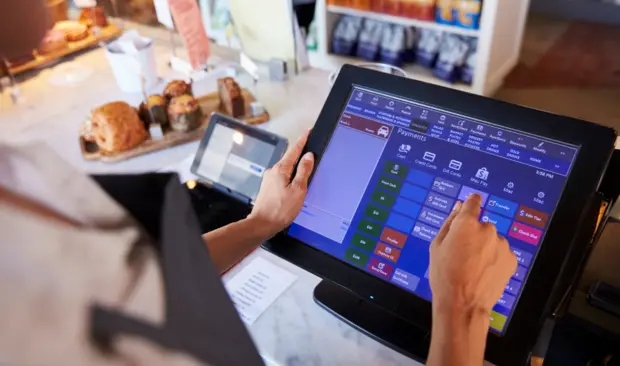
Manually monitoring sales, transactions, products, and customer spending can be time-consuming and prone to errors. An EPOS (Electronic Point of Sale) system provides more than a simple payment terminal; it acts as a central tool for recording and managing sales data. As each transaction takes place, the EPOS system automatically records key information and organizes it into accessible data, helping businesses monitor sales efficiently. This guide explains some basic insights on how the EPOS system helps you track sales smoothly and efficiently.
How Does the EPOS System Help You Track Sales?
Highlighted below are a few smart ways to understand how EPOS system helps you track sales smoothly and efficiently:
Records Every Transaction
EPOS system automatically records each sale. It contains details such as products sold, quantity, price, discounts, as well as payment options. This means that there is no need to keep track of sales manually, and businesses will have the latest information on hand that can be used when required.
Provides Real-Time Sales Data
An EPOS system for retail shop will allow businesses to see sales data in real time. Managers will be able to view instantly what has been sold throughout the day, products that are performing well, and how the revenues are fluctuating. Hence, this allows businesses to keep track and react rapidly.
Tracks Best-Selling Products
The EPOS system indicates what is selling best. This information can be used to determine the most popular items and understand customer preferences. Hence, this supports better decisions regarding stock, promotions, and product planning by owners and minimizes the risk of having too many slow-moving products.
Monitors Sales by Employee
EPOS systems help to track the transactions carried out by individual staff members. This information is helpful for managers to inform their knowledge of staff performance, training needs, as well as to acknowledge good performance. Hence, it also increases accountability since every transaction is tied to the employee who has been part of the sale.
Creates Useful Sales Reports
EPOS systems transform transactions into easy-to-read sales reports. Businesses can check sales data daily, weekly, monthly or yearly and compare performance between different time periods. Hence, these reports help to make important information more understandable and facilitate planning, budgeting, and business decisions.
Helps Identify Sales Trends
The best EPOS system for retail shop UK can inform businesses if there are any changes in the buying behavior of their customers. With sales information, you can pick out when sales are high, what the most popular items were, seasonal demand, as well as the ups and downs of sales. Above all, once companies are aware of these trends, they stock their warehouses and plan promotions with real sales information, impacting their business decisions.
Why Accurate Sales Tracking Matters for Businesses?
Having accurate sales tracking allows businesses to be aware of the details of their financial performance. The owner will know how much revenue is generated, which products have been profitable, the demand of customers, and the cost of the business will be managed if all of the transactions are entered correctly. Hence, accurate records can also prevent any possible errors that may occur because of manual data entry and can ease financial reporting.
Information on sales can enable businesses to identify slow periods and prepare for busy periods. It also supports better stock management due to the business understanding which products are selling quickly. Most of all, accurate sales information allows managers to make decisions, not guesses. This can help to boost efficiency, minimize losses, as well as promote the business’s sustainability.
Kind of Sales Information an EPOS System Provides
An EPOS system offers a variety of sales data that companies can use to track their performance. It can display the total sales amount, the number of transactions, the sale of individual products, product quantities sold, discounts, refunds, as well as payment methods. A business can also check sales made by an individual employee, department, location, and time. This data enables managers to know which products and services are more profitable.
Above all, EPOS sales reports can be used to reveal daily, weekly, monthly, and seasonal trends, which makes it easier to spot trends. Analyzing this data on a frequent basis can help businesses to make better stock planning decisions, develop successful promotions, manage employee performance, as well as make sound business decisions.
FAQs: Common Questions People Often Ask
1. Can an EPOS system identify best-selling products?
Yes, EPOS reporting can show which products sell most frequently, helping businesses understand demand and make informed stock decisions.
2. Does an EPOS system help manage inventory?
A lot of EPOS systems link sales and stock data, which enables companies to track whether stock is low and which items need to be reordered.
3. Can EPOS systems track different payment methods?
Yes, an EPOS system can often keep track of various forms of payment. It allow businesses to get a detailed look at how they are paying for purchases.
4. How can EPOS data improve business decisions?
EPOS data provides practical sales insights that can help businesses plan inventory, staffing, promotions, pricing, and other operational decisions.
Ready to Make Every Sale Count Smoothly with us
Stop relying on guesswork to understand your sales performance. With the right EPOS and payment solution, you can process transactions smoothly, track valuable sales data, and make smarter business decisions. Choose Speedy Payments to create a faster, more connected checkout experience and take greater control of your business growth.