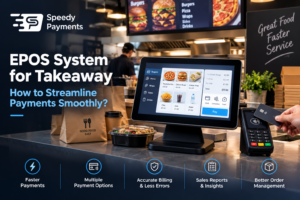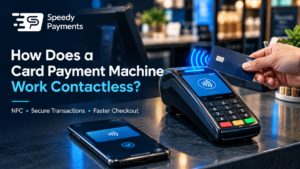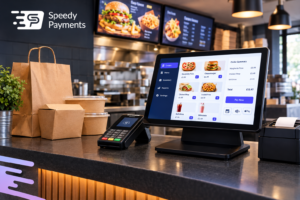

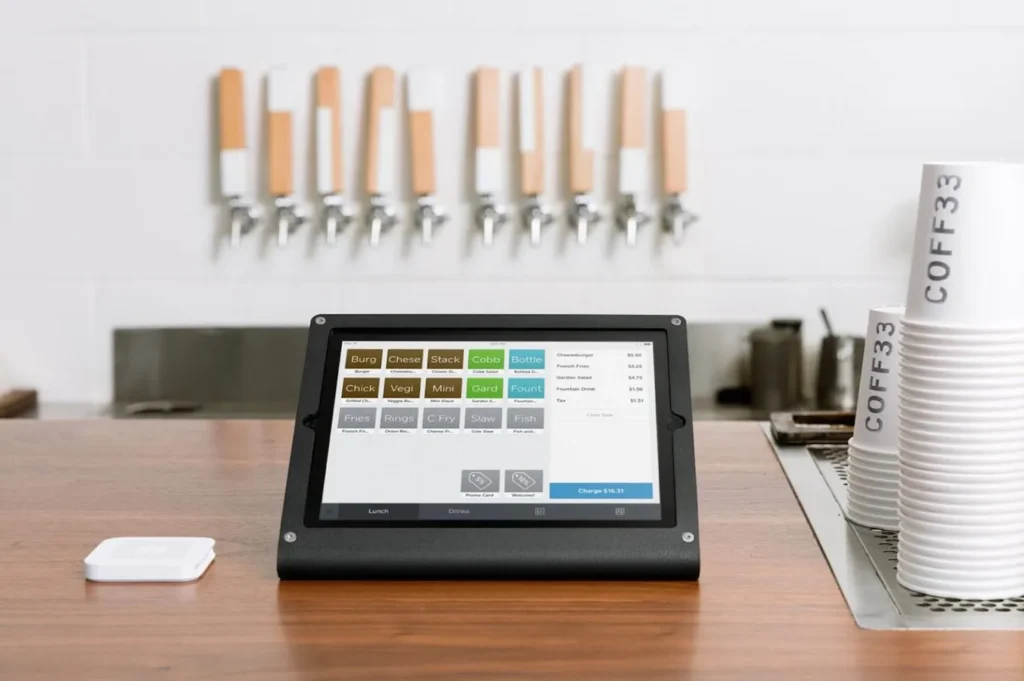
EPOS (Electronic Point of Sale) is a digital solution that helps to process sales transactions and manage stock, and customer data in different businesses. Modern EPOS systems combine software and hardware to give a real-time view of the business, rather than simply logging sales as traditional cash registers do. These systems are available to enhance the efficiency, accuracy, and customer service of retailers. Companies are looking for smarter ways to run their business and improve profits. As the demand has been rising, users are more curious to know how does an EPOS system work in shops or retail stores. Let’s get into a discussion on it.
How Does an EPOS System Work in Shops? Detailed Process
Below is a complete step-by-step guide on how does an EPOS system work in shops or retail stores:
Step 1: Item Selection and Scanning
After shopping, customers go to the cashier to pay for the items selected. The cashier uses the bar code scanner to check every product. EPOS records every item immediately and also in real time makes sure that information entered into the system is for billing. This will help in keeping an eye on stock and managing sales without any mistakes.
Step 2: Product Information Retrieval
An item gets scanning at check-out, and the EPOS system pulls up product information from the central database. It will show the price, product information, and what is already available to the cashier. This is important to verify the transaction before the billing proceeds smoothly, ensuring accuracy and quick transaction processing in stores.
Step 3: Total Calculation and Discounts
After the prices have been retrieve through the EPOS system, the total value of all scanning items is calculated automatically. It also applies discounts, promotions, and taxes in accordance with the rules in the store before displaying the final amount which a customer has to pay. This will help the store to ensure that the billing is accurate and that the price is transparent in each and every purchase process.
Step 4: Smooth Payment Processing
Buyers settle the debts at the check-out counter using cash, card, or digital means. The EPOS system for retail shop is an integrated system that interfaces with payment terminals for secure and fast processing. It lets you verify payment success, updates the record immediately, and confirms the transaction is both for the customer and the retailer without delay confirmation sent.
Step 5: Receipt Generation and Inventory Update
EPOS gives an automatic printout or digital receipt of the order to the customer after the payment has been made. It also automatically adjusts the stock levels and reduces human errors in the stock. Hence, it also helps in simplifying the management of day-to-day stock levels, which enables the owner to efficiently monitor the business.
Different Types of EPOS Systems Used in Retail
Cloud-Based EPOS
Cloud-based EPOS system securely store all sales and stock information online on the Internet servers. They offer shop owners access to real-time reports from anywhere via mobile or computer. This makes them more flexible, reduces the hardware costs, and enables them to all manage their multiple stores efficiently, with automatic updates and better decision-making.
On-Premise EPOS System
In traditional EPOS systems, install them over the computer that is housed within the confines of the business. They don’t require a lot of Internet connectivity, and they can operate reliably for everyday retail store activity. Hence, they need to be manually updated and maintained, and internal business data system security is under good control.
Mobile EPOS
Mobile EPOS systems enable tablets or smartphones to handle sales transactions across the store. These systems offer portability and ease of setup, making them ideal for small shops, cafes, and restaurants, and enhance overall operational efficiency, minimizing waiting times and speeding up the service.
Self-Service Kiosk EPOS
Self-service kiosk EPOS till systems for retail shop help to place orders and make payments without the help of a cashier. They are widely applied in fast food restaurants, supermarkets, cinemas, etc, to shorten the queue and increase the speed. It also boosts the efficiency, saves the manpower cost, and offers a convenient, user-friendly ordering experience for customer daily operations, etc.
How EPOS Systems Improve Retail Business Efficiency?
EPOS systems are a great step toward making retail businesses more efficient, as they simplify sales and eliminate manual tasks. This helps to shorten billing time and reduces time spent at the cashier’s desk. They also help in keeping accurate stocks, updating the quantity of stock after each sale. This reduces the chances of humans’ errors, improves decision-making and stock control for the store owner.
EPOS system also capable of accepting various payment options, such as cash, credit cards, and mobile wallets, which simplifies the payment process for customers. Overall, EPOS technology increases efficiency, accuracy, and customer satisfaction. Hence, it assists retailers to operate smoothly and become more profitable in a competitive daily business growth environment.
Upgrade Your Retail Business with Speedy Payments Today!
Make your shopping experience smooth with Speedy Payments, your great partner for rapid, secure, and reliable EPOS solutions. Whether you have a small retail store or a large supermarket, we make your billing, inventory management, and payment acceptance a breeze. Say goodbye to complex technology and hello to smarter tech today in retail. Enhance your efficiency, customer service, and sales with Speedy Payments today!